Apple Health AI study opens to 200,000 iPhone users in the US
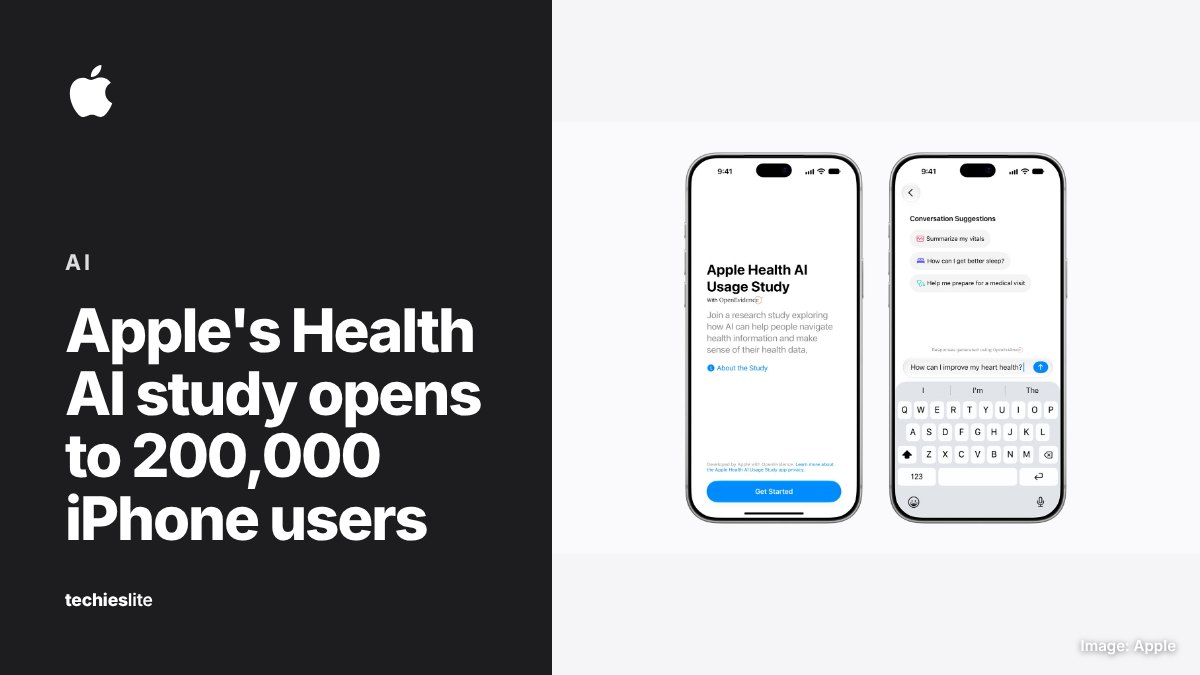
On Sunday, November 15, Apple launched the Apple Health AI Usage Study, a research study with its own iPhone app that answers everyday health questions using technology from OpenEvidence. Up to 200,000 people in the US can join, and Apple says the results will inform how it and the rest of the industry design health AI.
What the study app does
Participants use a free app, the Apple Health AI Study App, to ask everyday health questions. OpenEvidence, a clinical AI platform used by healthcare professionals, generates the answers, and Apple says each one links to the peer-reviewed clinical citations behind it.
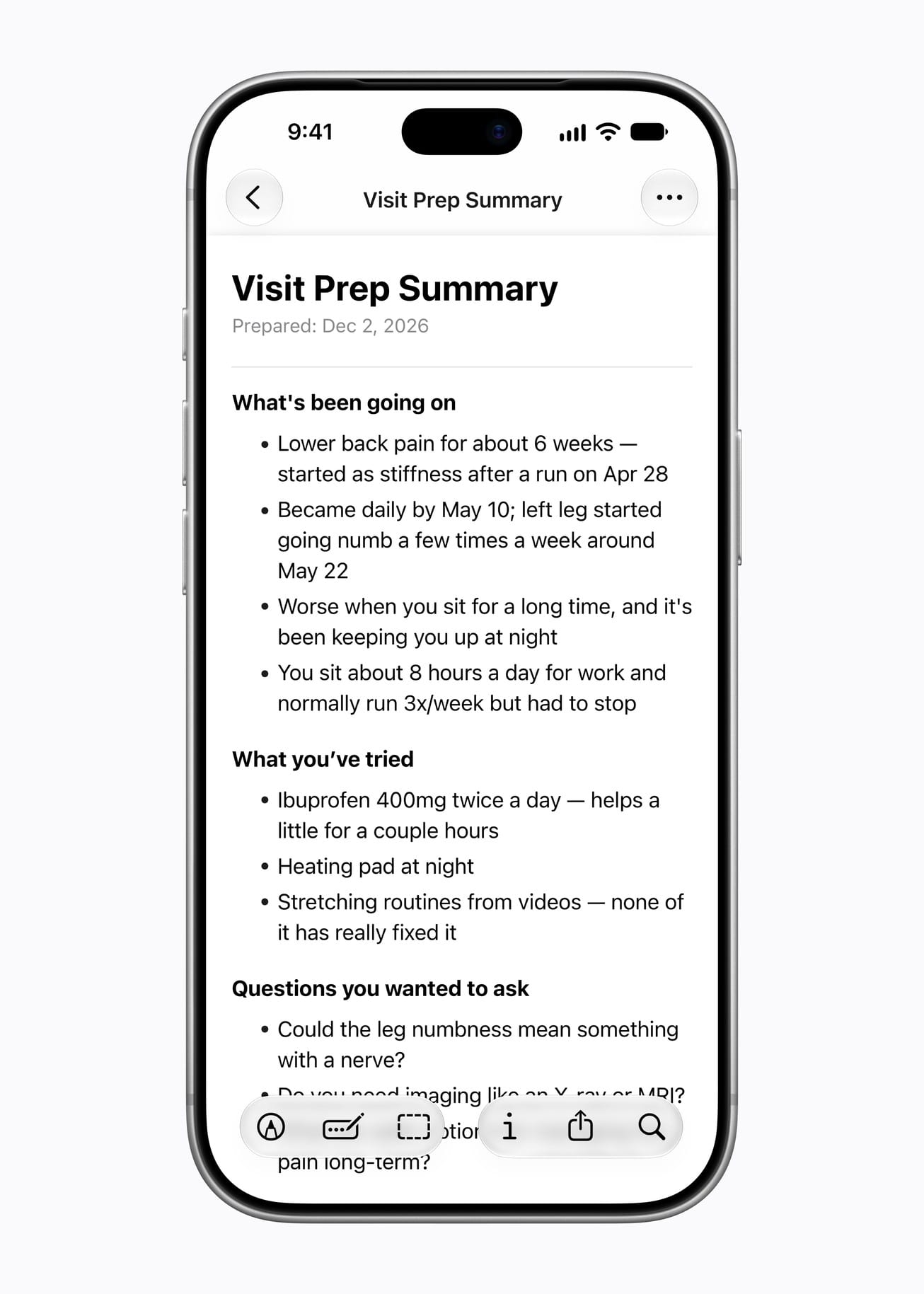
Participants can choose to share HealthKit data such as resting heart rate, activity, sleep or lab results. Apple says this lets the study measure whether personal data makes answers more relevant and easier to understand. The App Store listing says the app can help people understand symptoms or conditions, put their Health data in context, prepare for a medical visit or build an exercise or meal plan.
What Apple wants to learn
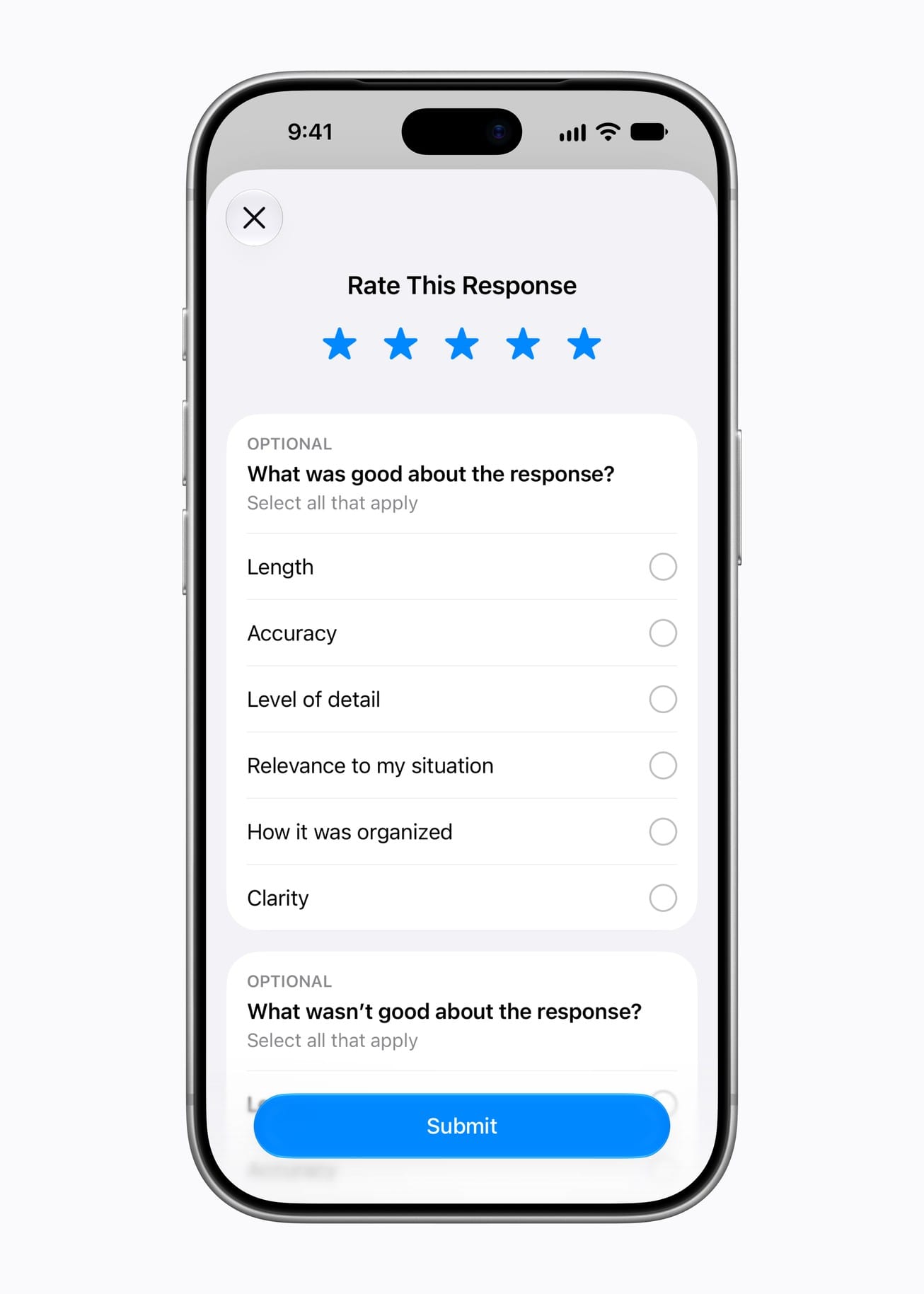
Apple says the study will look at what makes people trust health AI, the quality of its responses, how well people understand them and which everyday health actions follow. It will also explore whether the app helps people prepare for visits with their own doctors.
Apple's announcement also acknowledges the limits of the technology. It says consumer health tools built on large language models can give incomplete or unclear answers, and that research is critical to presenting health information more clearly. Sumbul Desai, M.D., Apple's vice president of Health and Fitness, said a dedicated study is "the most thoughtful way to understand how people engage with, comprehend, and evaluate health AI in everyday life."
Privacy and safety limits
Apple says study data will not be used to train AI models. Participants decide whether to share any HealthKit metrics or survey responses. The app also has guardrails meant to spot certain concerning questions and suggest following up with a provider or other resources.
Apple states that the app is not meant to diagnose or treat any condition or to replace medical advice, and it tells participants to check health concerns with a doctor or clinician.
What it means for you
To join, you need to live in the US, be 21 or older and have an Apple Intelligence-enabled iPhone, which means an iPhone 15 Pro or later running iOS 26 or later. The app is free on the App Store, where you can read about the study before you choose to enroll.
That leaves out the standard iPhone 15 and older models, because Apple limits the study to phones that support Apple Intelligence. If you have an eligible phone that isn't on iOS 26 yet, our guide on how to update an iPhone walks through the steps.
If you do sign up, treat the answers as a starting point for a conversation with your doctor, not a replacement for one. That is how Apple frames the app, too.